Working Backwards
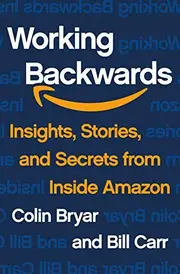
The ideaWrite the customer announcement first, then decide whether the thing is worth building.
How I applied itThe AT&T health widget started from one customer sentence, "is it me?", and every design call had to answer to it.
Bookshelf
Not a reading list. Each book here changed a decision I made, and the second line says which one.
The ideaWrite the customer announcement first, then decide whether the thing is worth building.
How I applied itThe AT&T health widget started from one customer sentence, "is it me?", and every design call had to answer to it.
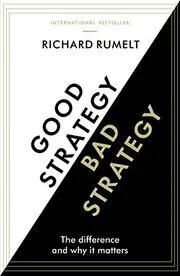
The ideaGood strategy names the crux, sets a guiding policy, and commits to actions that reinforce each other.
How I applied itThe Home Depot release case named one crux, manual work inside every release, and phased the fix so each step could be funded on its own.
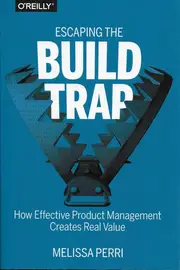
The ideaMeasure outcomes, not output. A shipped feature is a means, not a result.
How I applied itIt is why every number on this site says whether it is a measured result or still a target.
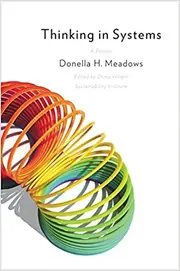
The ideaBehavior comes from structure. Push on the wrong leverage point and nothing moves.
How I applied itReleasing more often would not have fixed a manual process. Taking the manual work out of the system did.
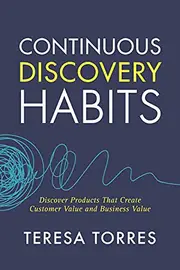
The ideaTalk to customers every week, and map the opportunity before you pick a solution.
How I applied itOpportunity before solution became the Frame stage of my Enterprise AI Delivery Loop.
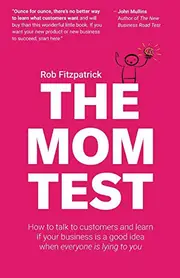
The ideaAsk about people's lives and past behavior, not your idea, because people are polite about ideas.
How I applied itWith GovHub, I ask small contractors about their last bid, not whether they would buy a tool.
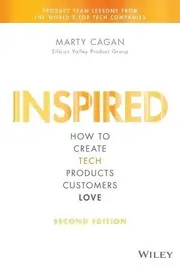
The ideaStrong product teams discover what to build with customers, then deliver it and own the outcome.
How I applied itI check every roadmap bet against its four risks: value, usability, feasibility, and viability.
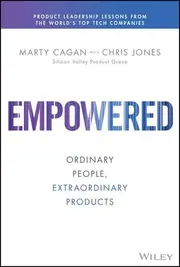
The ideaGive teams problems to solve, not features to build, and coach instead of command.
How I applied itLeading four dev teams and three PMs at AT&T, I gave each team a customer problem and a measure, not a feature list.
Covers from Open Library, linked to each book.
Contact
Senior product, product strategy, and AI product roles, plus advisory work. I answer every note.