Comcast Business · Senior Product Manager, Comcast Business Platform · Apr 2020 to Oct 2021
Uptime small businesses can see
Modernized the Comcast Business platform with a cloud migration, real-time usage and uptime dashboards, and outage alerts for small business customers.
Business stake: RiskRetentionCost to serve
- ~25%higher deployment reliability, with fewer production incidentsReported
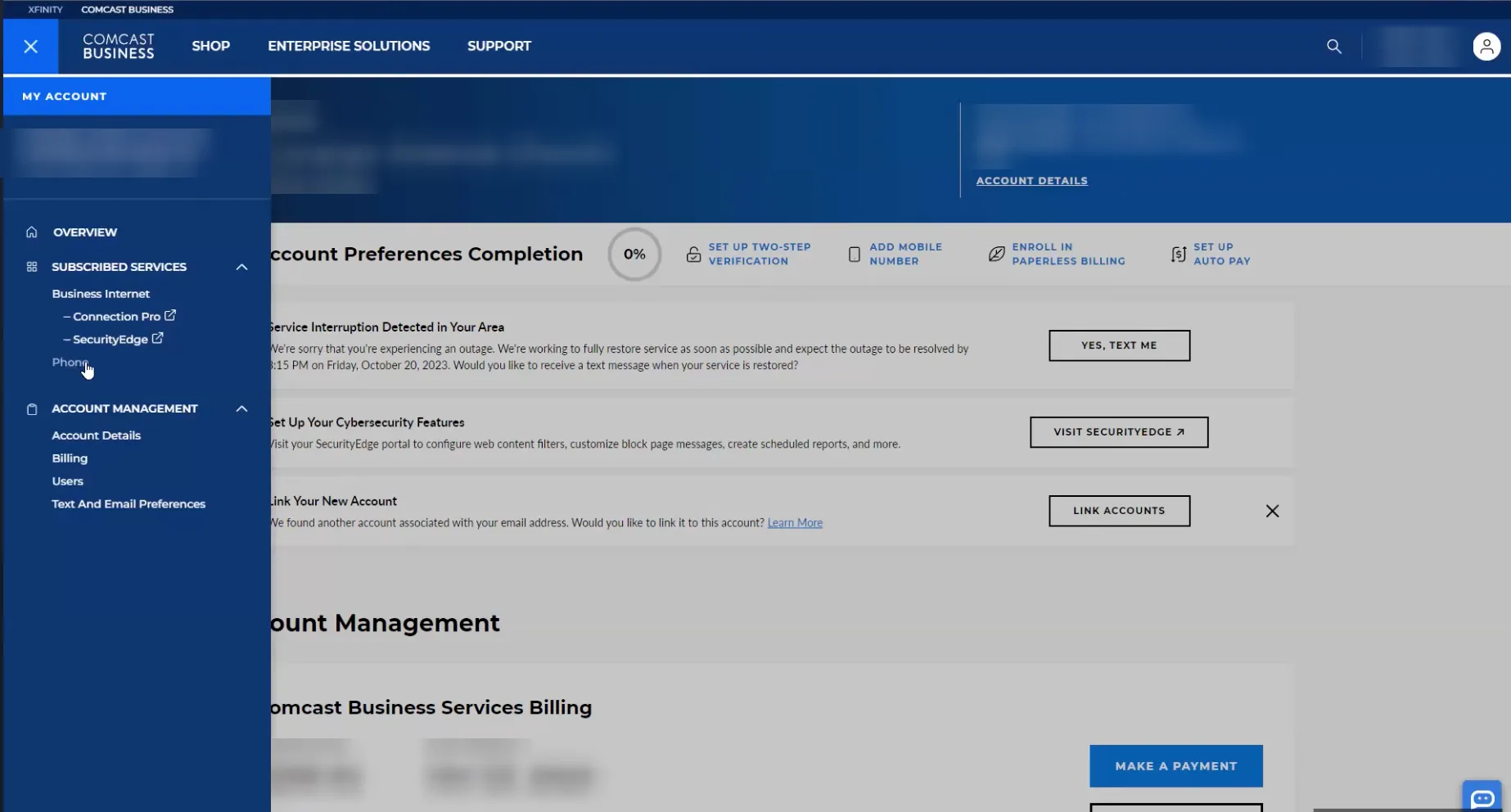
- 350K+small business customers got usage dashboards and outage alertsReported
How to read the numbers
Every number on this site carries one of four labels, so you can tell a measured result from a goal. Company context, like audience size, only appears as Public with the source linked.
- Public
- Published by the company or a credible third party. The source is linked.
- Reported
- My own measured result, as stated on my résumé. The case study describes the method.
- Directional
- An observed trend without a clean baseline.
- Target
- A proposed success measure, not a result.
The business stake
For a small business, an internet or phone outage is not an inconvenience, it is a closed register. Comcast Business sells to those customers on reliability, so the platform carried three kinds of risk at once: service level commitments, compliance, and the churn that follows an outage nobody explained. Each unanswered “is it down?” also turned into a call or a store visit, which is cost to serve.
The problem
Small business customers had little visibility into their own usage and uptime. When service dropped, they often found out by calling. On our side, platform deployments carried their own risk: a bad release could become a production incident for customers who were promised a service level.
My role
I was the senior product manager for the Comcast Business Platform. I owned the customer-facing dashboards and alerts, and the product side of moving platform workloads to the cloud. Engineering owned the migration itself and the deployment pipeline that made releases safer.
How we thought about it
We framed it as two promises a small business owner should not have to think about: “I know how my service is doing,” and “If it breaks, you tell me first.”
- Real time needs the cloud. Moving platform workloads to the cloud made it possible to show usage and uptime as they happened, not in a monthly summary.
- Logs that hold up. Usage and uptime logs were designed to be audit-friendly, so the same data that reassures a customer also stands up in a service level conversation.
- Alerts that match the promise. Outage alerts were aligned to service level and compliance commitments, and they offer a text message when service is restored, so the customer does not have to keep checking.
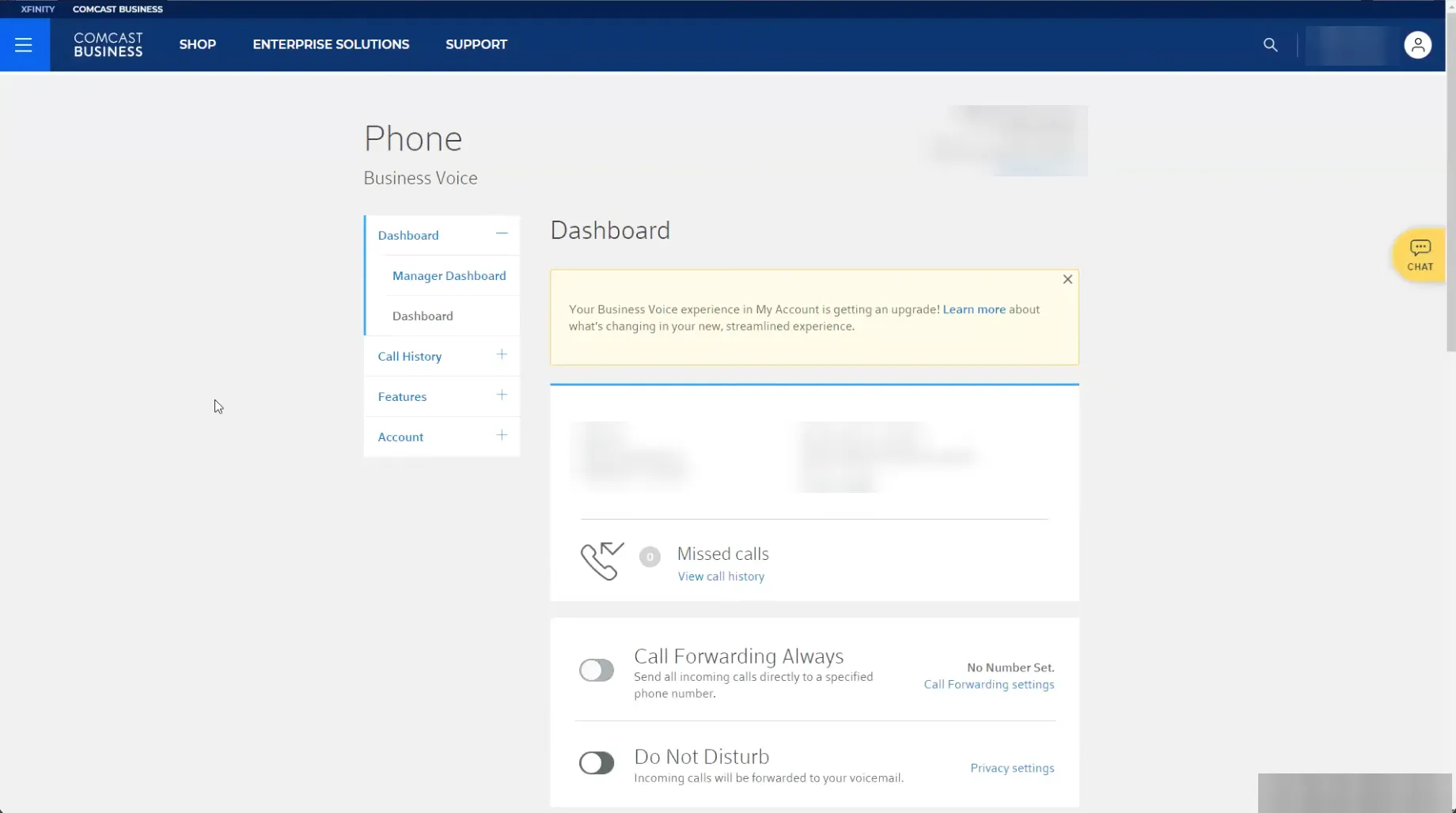
- Control, not just status. The account lets customers act on their services, like forwarding calls or turning on do not disturb, the same idea as letting customers control connected devices from an app.
The same thinking shaped online payments. Using the Hooked model (Nir Eyal), we treated a successful payment as the moment a customer is most willing to do one more thing, and gave anyone who skipped the auto pay and paperless boxes a second chance on the confirmation page.
AI and data
This is the data half of the AI and data story. The work rested on real-time analytics over usage and uptime, logs designed to be audited, and alerting rules aligned to compliance requirements. The cloud migration was what made real time possible.
What shipped

Outcomes
- Deployment reliability up about 25%, with fewer production incidents Reported, which lowers the risk of breaking a service level promise with every release.
- Dashboards and alerts launched to more than 350,000 small business customers Reported, giving each one a view of usage and uptime and a text when service comes back.
What I’d do differently
I would put a number on the payment loop from the start. The second-chance prompt was a clear bet on behavior, and a simple before-and-after on auto pay enrollment would have turned it from a good idea into a result I could show here.